
For many new UK entrepreneurs, the transition from “freelancer” to “business owner” involves moving from casual conversations about money to formal, professional transactions. One of the simplest yet most vital components of this transition is the invoice number.
While it may seem like a trivial detail, an inconsistent or haphazard numbering system can create significant headaches as your business grows. It makes it difficult to track payments, complicates your bookkeeping for HMRC, and—most importantly—can make your business look unprofessional to your clients.
At KoraKit, we believe that confidence through clarity is the cornerstone of a successful launch. By establishing a structured, scalable system for your invoices from day one, you ensure that your administrative backend is as polished as your brand identity.
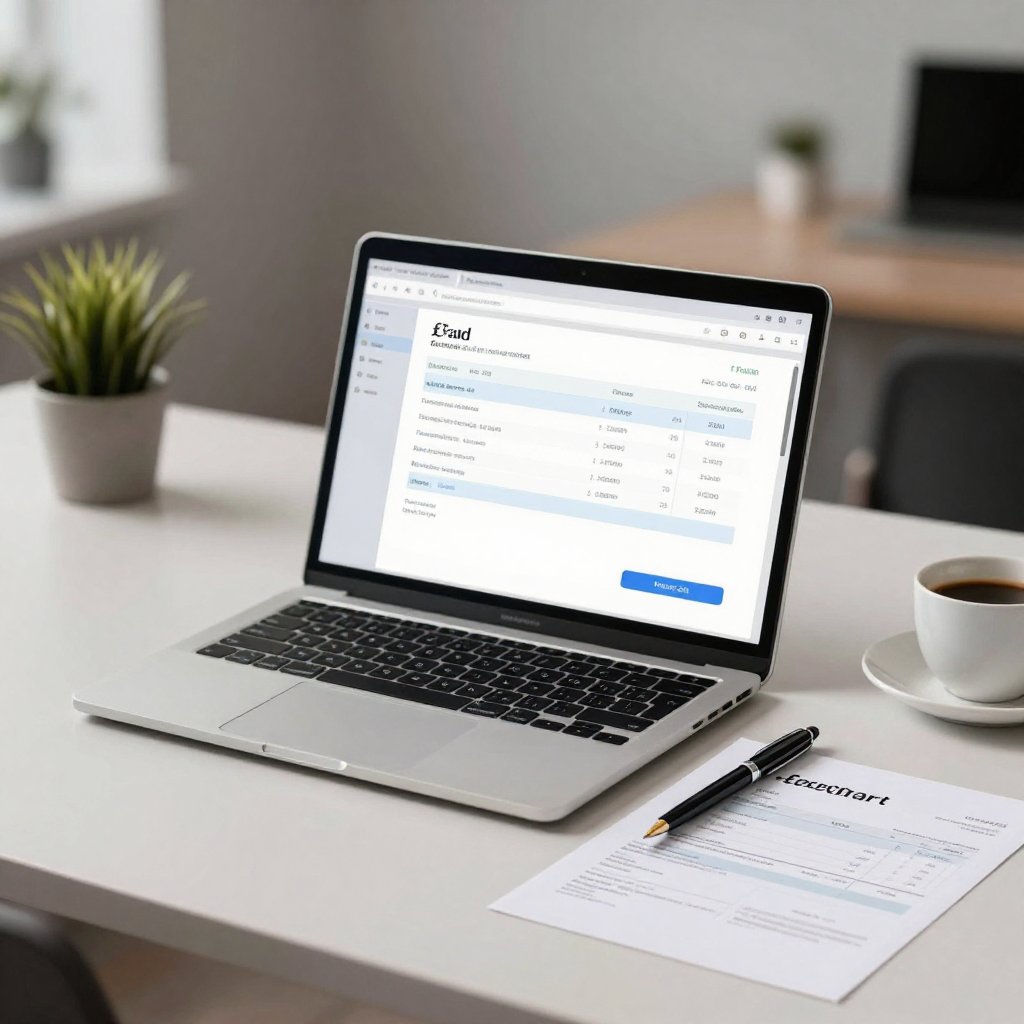
Building a Brand from the Ground Up
A professional brand identity isn’t just about a logo or a specific colour palette; it’s about the standard of service you provide in every interaction. If a client receives an invoice with a random number or a repeating sequence, it subtly signals a lack of organisation.
To maintain your brand’s integrity, your invoice system should be:
- Unique: No two invoices should ever have the same number.
- Sequential: Numbers should follow a logical order (e.g., 001, 002, 003).
- Consistent: The format should remain the same for the life of the business.
The KoraKit Advantage: When you use our Invoice Generator, you can ensure that every document sent to your clients follows a professional, uniform structure. By keeping your branding consistent on every bill, you reinforce the trust you built during the “naming” and “design” phases of your startup.
Financial Foundations and Compliance
In the UK, keeping clean financial records is a legal necessity. Whether you are a sole trader or a limited company, HMRC requires you to keep accurate records of your income and expenses. A sequential numbering system is the “gold standard” for this, as it allows you to identify exactly which invoices have been paid, which are outstanding, and which are overdue.
Creating a Scalable Numbering System
For a new business, you don’t need a complex accounting suite to start. You just need a system that grows with you. Here are three frameworks to consider:
1. The Basic Sequential System (Best for Starters)
Start with a simple three-digit or four-digit sequence.
- Example: 001, 002, 003…
- Pros: Extremely easy to manage.
- Cons: Once you hit 999, you have to change the format.
2. The Date-Prefix System (Best for Tracking)
Include the year or month in the number to help you quickly identify when a transaction occurred.
- Example: 2024-001, 2024-002…
- Pros: Makes it very easy to organize files in folders by year.
3. The Client-Code System (Best for Growing Service Businesses)
If you have multiple clients, adding a prefix can help you see who the invoice belongs to at a glance.
- Example: ACME-001 (for Acme Corp), SMITH-001 (for Smith Ltd).
- Pros: Highly organised; prevents mixing up numbers between different clients.
Mastering the Numbers with KoraKit
Regardless of which framework you choose, the goal is to remove the manual effort of “inventing” a number every time you bill a client.
- Invoice Generator: Use this tool to create your professional documents. By establishing a numbering pattern, you can quickly track your progress towards your revenue goals.
- Profit Margin Calculator: As you issue more invoices, use this tool to ensure that the money coming in is actually covering your costs and leaving you with a sustainable margin.
- VAT Calculator: As your volume of invoices increases, use our UK-specific VAT calculator to stay compliant with HMRC regulations.
Strategic Launch Planning
A robust numbering system is a key part of your operational “roadmap.” When you are planning your launch, you should decide on your numbering format before you send your first invoice.
Avoiding Future Friction
Think about your growth. If you plan to have hundreds of clients, a simple “001” might feel too small. If you plan to have 10,000, you need a system that can handle large digits.
- AI Business Plan Builder: Include your operational standards—like your invoicing and numbering system—in your business plan. This ensures that as you hire help or outsource your admin, the “system” remains consistent.
- AI Competitor Analysis: Look at the “professionalism” of your competitors. Do they use clear, easy-to-read reference numbers? Emulate the best practices in your industry to ensure you are seen as a peer, not a novice.

The All-in-One Efficiency Gain
The most common pitfall for UK founders is “fragmented admin.” If you are manually typing invoice numbers into a spreadsheet, then into an email, and then into a different accounting app, you are creating opportunities for errors. A single typo in an invoice number can lead to a payment being lost or a tax error.
The KoraKit Advantage provides the ultimate efficiency gain by housing your branding, your planning, and your financial documentation in one hub.
By using KoraKit, you don’t have to worry about the “moving parts” of your business. When you use our Invoice Generator, your brand name, logo, and professional layout are already set. You simply focus on the sequence, ensuring that your financial records are as clean and professional as your brand identity.
Conclusion
A simple, consistent invoice numbering system is the backbone of a professional UK business. It saves you time, satisfies HMRC, and builds trust with your customers by showing them that you are an organised, reliable operator.