
For a UK founder, the letterhead is your brand’s “official” signature. It is the piece of collateral that transforms a casual email or a rough quote into a formal, professional business document. When you provide a client with a letterhead, you aren’t just providing a piece of paper; you are providing a guarantee of legitimacy.
However, there is a fine line between a letterhead that looks professional and one that is legally compliant. In the UK, including the wrong information—or omitting critical details—can lead to a loss of trust with your customers or, in some cases, issues with regulatory bodies.
At KoraKit, we believe that confidence through clarity is essential. To help you launch with confidence, we’ve broken down exactly what should appear on your letterhead, depending on your business type and the message you want to send.
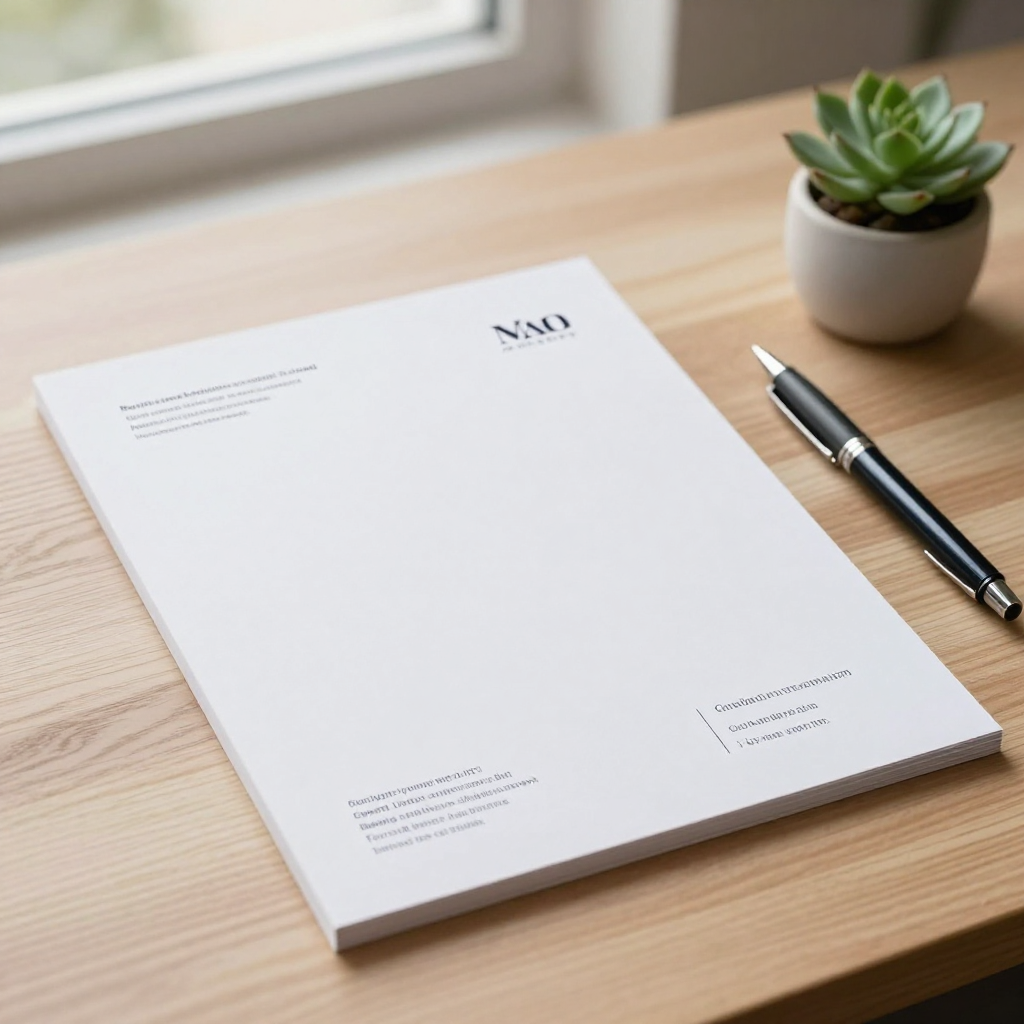
Building a Brand from the Ground Up
The primary goal of a letterhead is to establish your identity instantly. It should be the “anchor” for your brand, providing a consistent visual and informational experience every time you communicate formally.
The Core Branding Essentials
Regardless of your industry, every letterhead must include these three elements to build immediate trust:
- Your Logo: The visual shorthand for your brand. It should be high-resolution and placed prominently (usually at the top left or centre).
- Your Registered Business Name: This is your official identity. It must match what you have registered with Companies House or what you use as a sole trader.
- Your Brand Colours: Use the same palette you chose in our Brand Colour Picker to ensure that every document feels like it belongs to the same “family” of communication.
The KoraKit Advantage: Using our Logo Creator and Brand Colour Picker ensures that your visual identity is cohesive. When you then move to the Letterhead Generator, those elements are automatically applied, ensuring your “look” never wavers.
Financial Foundations and Compliance
While branding builds trust, compliance provides the legal structure that allows a business to operate safely in the UK. Depending on your business structure, certain details are not just “good to have”—they are often necessary.
Requirements by Business Type
The details you include should change depending on how your business is registered:
1. Limited Companies (Ltd)
If you are operating as a Limited Company in the UK, your letterhead should ideally include:
- Registered Office Address: This is the official address registered with Companies House.
- Company Registration Number: This identifies your business uniquely in the UK corporate registry.
- Registered Office/Status: In some formal contexts, your company status (e.g., “Private Limited Company”) may be required.
2. Sole Traders
If you are operating as a sole trader, the requirements are slightly different but still important for professionalism:
- Your Name or Trading Name: Be clear about whether the business is “John Doe” or “Doe Consulting.”
- Contact Information: A clear phone number, email, and physical address (or a PO Box) to ensure your clients know how to reach you.
3. Freelancers and Consultants
For those providing services, your letterhead serves as your “calling card”:
- Specialism/Tagline: A brief description of what you do (e.g., “Specialist Marketing Consultant”) helps frame the conversation immediately.
- Website URL: A way for your clients to find more information about your work.
Why These Details Matter
- Trust: A letterhead with a registered company number and a physical address looks like a “real” business. It tells the customer you aren’t going to disappear overnight.
- Compliance: Having your official details correct ensures that your documents are valid for B2B contracts, banking purposes, and HMRC records.
- Clarity: Including your contact details on every piece of correspondence saves your client from having to “hunt” for your phone number or website.
Strategic Launch Planning
A well-designed letterhead is a strategic tool that helps you project a bigger presence than your current team size might suggest. It allows you to act like a larger, more established firm from the very first day of your launch.
Projecting Authority
When you send a quote or a contract, you want the recipient to feel they are dealing with an established entity. By including your full business details and a professional logo, you move the relationship from “person-to-person” to “business-to-business.”
Consistency Across the Launch
A common mistake is having a great website but a “weak” letterhead. Use our AI Competitor Analysis to see how other UK businesses in your niche present their official documents. Do they look like boutique firms or corporate giants? Align your letterhead with the level of professionalism your target audience expects.
Once your strategy is set, use the AI Business Plan Builder to define your communication standards. This ensures that as you scale and hire more team members, everyone knows exactly which details must appear on every official document.

The All-in-One Efficiency Gain
The “administrative friction” of a startup is often found in the small things—like remembering to update your address on a letterhead or changing a logo on an invoice.
The KoraKit Advantage eliminates this friction entirely. Because KoraKit is an all-in-one hub, your “Business Profile” acts as the source of truth.
When you update your business details in your profile:
- Your Letterhead Generator is updated instantly.
- Your Invoice Generator reflects the correct details.
- Your Startup Cost Calculator and Profit Margin Calculator use the correct company parameters.
This ensures that you are always compliant and always professional, without having to manually edit dozens of different files every time something changes.
Conclusion
A professional letterhead is a small detail that makes a massive difference in how you are perceived by the UK market. By including the right balance of branding (logo, colours) and compliance (registered numbers, addresses), you build a foundation of trust that allows your business to grow.